Davis is not a typical valley suburb and its kitchens are not typical either. Old North and Old East Davis have 1910s and 20s bungalows with small kitchens at the back of the house. West Davis has the 1970s energy-conscious houses, including Village Homes, built with solar orientation and passive cooling in mind. Wildhorse and Mace Ranch are 1990s and 2000s tracts. And the whole city takes energy standards more seriously than its neighbours, which shows up in permitting the moment you touch lighting, ventilation or an appliance's fuel.
Old North and Old East: bungalow kitchens
These are the oldest kitchens we work on anywhere in the region — 80 to 110 square feet, at the back of the house, often with a service porch or a breakfast nook attached and a doorway to a dining room with a picture rail. Ceilings are typically nine feet, which is a gift: cabinets can run high and the room takes light well.
The high-value change is usually annexing the porch or opening the wall to the nook rather than to the dining room, which in these houses is a genuinely nice room worth keeping. Underneath, expect a raised foundation, a floor that has settled out of level, knob-and-tube remnants in a few houses, and a drain that was never vented to modern standards. None of that is unusual; all of it belongs in the quote rather than in a change order.
These houses also reward restraint. A period-appropriate kitchen with plain shaker doors, a simple counter and a farmhouse sink reads better here — and sells better — than a glossy handleless design that fights the house.
West Davis and the energy-conscious 1970s houses
West Davis, and Village Homes in particular, was built around passive solar design: deep overhangs, orientation to the sun, natural cross-ventilation, sometimes an original solar hot-water system. Kitchens in these houses were designed with that in mind, and a remodel that ignores it makes the house work worse.
Practically, that means being careful about what you do to windows and shading, thinking about where heat-producing appliances sit, and preferring efficient ventilation over brute-force extraction. Several of these homes also have unusual construction details for their era, so we look before assuming a wall is standard framing.
Where these kitchens fail is storage and surfaces — original cabinets are small and the counters are worn — and both can be fixed comprehensively without disturbing what the house does well.
Wildhorse, Mace Ranch and South Davis
The newer tracts have the familiar pattern: an open plan already in place, cabinets stopping short of the ceiling, a builder island that is too shallow to sit at, a pantry with one shelf depth and lighting on a single switch. Work here is cabinetry, surfaces and electrical rather than construction, usually three to five weeks, and it stays inside the mid-range band.
One Davis-specific note for these houses: many are on slab over valley clay, which moves seasonally. It rarely affects cabinets, but it matters for flooring and it is why we check slab flatness before quoting anything that floats on it.
Permits, energy standards and electrification
The City of Davis handles building permits, and the city has been ahead of most of the region on energy policy. Two things follow. First, lighting and ventilation changes engage the state energy code — high-efficacy fixtures, correct exhaust rates — which is routine when planned and irritating when discovered at inspection. Second, if you are considering moving from a gas range to induction, Davis is one of the easier places to do it, and it is worth deciding early because it changes the electrical scope: a dedicated 240-volt circuit, and often a panel that has to accommodate it.
Cosmetic replacement in place needs no permit. Moving plumbing or gas, adding or relocating circuits, removing a wall or changing an opening does, and structural work needs drawings. Older houses in Old North and Old East may also involve additional review depending on the work — we check that before quoting rather than after.
Cost and timing in Davis
Davis prices about eight percent above the Sacramento baseline — older housing stock with more unknowns on one side of town, a strong market on the other. A refresh starts near $13,000. A mid-range remodel with new cabinets, quartz, lighting and flooring runs $21,000 to $41,000. A bungalow project with a wall opened, the drain re-vented, new electrical and custom cabinetry typically lands at $43,000 to $80,000.
Allow four to six weeks on site for a mid-range job and seven to ten for a bungalow with structural and plumbing work, where opening the floor tends to reveal a little more than the photographs suggested. Ranges and a calculator are in the 2026 Sacramento kitchen cost guide, and the free AI preview will show you your own kitchen in different finishes in seconds.
Neighborhoods we serve in Davis
Our Davis kitchen work covers the whole spread of the city — bungalow kitchens with raised foundations and older plumbing in Old North Davis and Old East Davis; storage and surface rebuilds in the passive-solar houses of West Davis; and cabinetry, island and lighting projects in Wildhorse, Mace Ranch, South Davis and El Macero.
Reviews from Davis and nearby
Small galley kitchen redone with handleless white cabinets. They maximized every inch. Measured twice, used the photo preview, and it came out just like the render.
The AI design preview is no gimmick — what I saw on screen is basically what got built. Greige gloss cabinets, exactly the look we wanted.
They redesigned our kitchen exactly like the preview — white modern cabinets and quartz counters. Clean crew, on schedule.
Recent work you can price
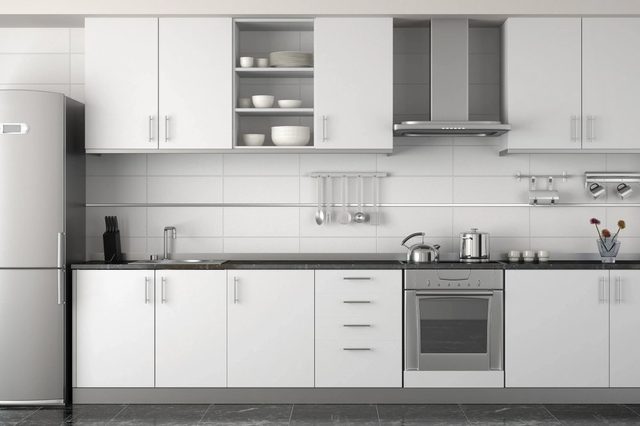
$15,000 – $25,000
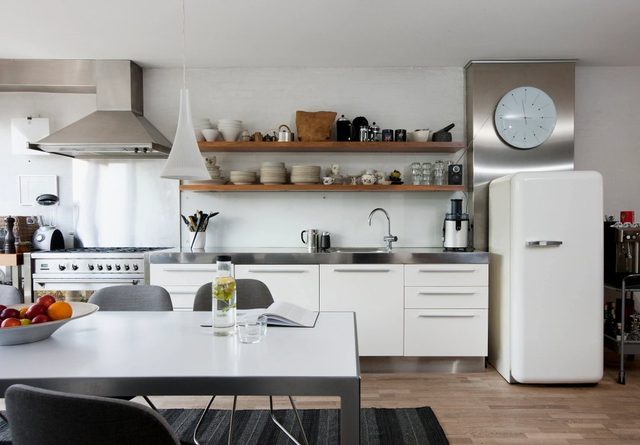
$18,000 – $30,000
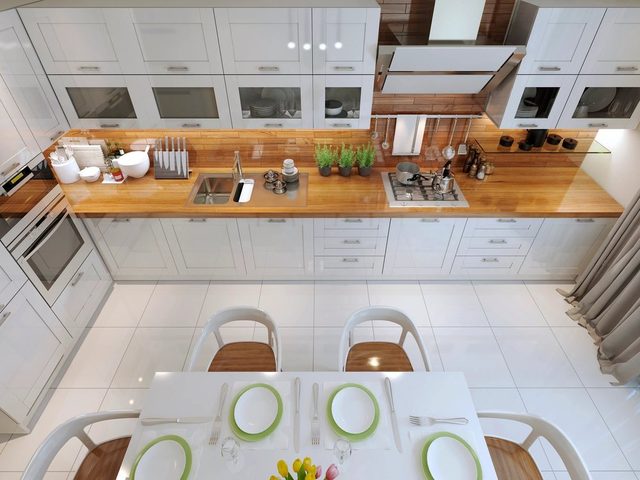
$22,000 – $36,000
Kitchen Remodeling in Davis — FAQ
How much does a kitchen remodel cost in Davis?
A mid-range Davis kitchen with new cabinets, quartz, lighting and flooring runs $21,000 to $41,000. A refresh starts near $13,000. A bungalow project in Old North or Old East with a wall opened, re-vented drains and new electrical typically runs $43,000 to $80,000.
What is different about remodeling an Old East or Old North bungalow?
Raised foundations, floors that have settled out of level, drains that were never vented to current standards, and occasional knob-and-tube remnants. None of it is unusual, but it belongs in the quote from the start rather than appearing as change orders mid-project.
Do Davis energy rules affect a kitchen remodel?
Yes, once lighting or ventilation changes — the state energy code sets efficacy and exhaust requirements, which are simple to meet when planned and awkward when discovered at inspection. The city is also supportive of electrification, so switching from gas to induction is straightforward here if you decide early.
Can I switch from a gas range to induction?
Yes, and Davis is one of the easier cities in the region for it. It needs a dedicated 240-volt circuit and sometimes panel capacity, so it is a decision to make at the design stage rather than after cabinets are ordered.
Should a remodel in Village Homes or West Davis be handled differently?
Yes. Those houses were designed around passive solar performance — orientation, overhangs and cross-ventilation — and changes to windows, shading or appliance placement can make the house work worse. We plan around what the house already does well.
How long will the work take?
Three to five weeks for cabinetry and finishes in the newer tracts, four to six for a full mid-range remodel, and seven to ten in an older bungalow where structural and plumbing work is involved.